Review Article | | Peer-Reviewed

Harnessing Probiotics to Combat Aflatoxin: A Natural Approach to Food Safety: A Review

Received: 30 October 2024     Accepted: 14 November 2024     Published: 3 December 2024
Views:       Downloads:
Abstract

Aflatoxins, toxic secondary metabolites produced primarily by Aspergillus flavus and Aspergillus parasiticus, are among the most significant food safety challenges worldwide. These compounds are classified as Group 1 carcinogens by the International Agency for Research on Cancer (IARC) due to their association with liver cancer, immune suppression, and acute toxicity. Aflatoxin contamination commonly affects staple food items such as grains, nuts, and seeds, particularly in regions with warm and humid climates. The economic burden of aflatoxin contamination extends to reduced agricultural productivity and trade restrictions, necessitating innovative and effective mitigation strategies. This review investigates the potential of probiotics as a natural solution to counter aflatoxin contamination. Probiotics, including strains such as Lactobacillus, Bifidobacterium, and Saccharomyces, offer several mechanisms for reducing aflatoxin toxicity. These include bioadsorption, where probiotics bind aflatoxins and limit their bioavailability in the gastrointestinal tract; biotransformation, involving the enzymatic conversion of aflatoxins into less toxic metabolites; and competitive exclusion, which inhibits the growth of aflatoxin-producing molds. Additionally, probiotics contribute to immune modulation, enhancing the host's capacity to counteract aflatoxin exposure. Applications of probiotics in food systems and animal feed are promising. For instance, integrating probiotics into fermented foods has been shown to reduce aflatoxin concentrations significantly. Similarly, probiotics in livestock feed can decrease the absorption of aflatoxins, improving animal health and the safety of derived products. Despite these advances, challenges persist, including strain-specific efficacy, regulatory hurdles, and consumer acceptance of probiotic-enhanced food products. Future research should prioritize the development of innovative probiotic applications, such as bioencapsulation technologies to enhance stability and targeted delivery systems for maximizing their efficacy. Long-term clinical studies are needed to assess the sustainability and safety of probiotic interventions for aflatoxin detoxification. By addressing these challenges, probiotics could play a pivotal role in safeguarding public health, ensuring food safety, and enhancing the resilience of food systems globally.

Published in International Journal of Biomedical Engineering and Clinical Science (Volume 10, Issue 1)
DOI 10.11648/j.ijbecs.20241001.12
Page(s) 9-17
Creative Commons

This is an Open Access article, distributed under the terms of the Creative Commons Attribution 4.0 International License (http://creativecommons.org/licenses/by/4.0/), which permits unrestricted use, distribution and reproduction in any medium or format, provided the original work is properly cited.

Copyright

Copyright © The Author(s), 2024. Published by Science Publishing Group

Keywords

Aflatoxins, Probiotics, Food Safety, Mycotoxins, Food Processing, Health Risks, Fermentation

1. Introduction
Aflatoxins are toxic secondary metabolites produced by certain strains of molds, primarily Aspergillus flavus and Aspergillus parasiticus. These compounds are widely recognized for their potent carcinogenic properties and are classified as Group 1 carcinogens by the International Agency for Research on Cancer (IARC) . Aflatoxins can contaminate various agricultural products, including grains, nuts, and seeds, posing significant health risks to humans and livestock upon consumption . The health impacts of aflatoxin exposure are severe, with potential outcomes ranging from acute toxicity to chronic diseases, including liver cancer and immune system suppression . The economic burden associated with aflatoxin contamination extends beyond health implications, affecting agricultural productivity and international trade . Effective strategies for mitigating aflatoxin contamination are essential for ensuring food safety and protecting public health.
Probiotics, defined as live microorganisms that confer health benefits to the host when administered in adequate amounts, present a promising natural solution to combat aflatoxin contamination . Various strains of probiotics, including Lactobacillus, Bifidobacterium, and Saccharomyces, have demonstrated the ability to bind aflatoxins, transform them into less toxic forms, and enhance the host's immune response . This review aims to explore the mechanisms by which probiotics can reduce aflatoxin levels and their potential applications in food safety.
2. Understanding Aflatoxins
2.1. Types of Aflatoxins
Aflatoxins are classified into several distinct types, each with varying levels of toxicity and occurrence:
Aflatoxin B1
Aflatoxin B1 is the most prevalent and toxic form of aflatoxin. It is commonly found in contaminated grains, nuts, and seeds. Due to its potent carcinogenic properties, it poses significant health risks to both humans and animals, leading to liver damage and increased cancer risk .
Aflatoxin B1 is the most toxic and prevalent form of aflatoxin, frequently found in contaminated grains, nuts, and seeds. Its potency as a carcinogen has led to its classification as a Group 1 carcinogen by the International Agency for Research on Cancer (IARC) . Chronic exposure to Aflatoxin B1 is associated with liver cancer and other serious health issues, including acute liver failure and immunosuppression . Due to its widespread presence in agricultural products, Aflatoxin B1 poses a significant risk to public health and food safety.
Aflatoxin B2
Aflatoxin B2 is a less toxic variant compared to B1 but is still capable of causing harm. It is typically found alongside Aflatoxin B1 in contaminated food. While it is not as potent, Aflatoxin B2 can contribute to the overall toxicity in food products and is monitored for safety . The presence of both B1 and B2 in food can complicate risk assessments and regulatory measure.
Aflatoxin G1 and G2
Aflatoxins G1 and G2 are primarily found in certain agricultural products, particularly in regions where specific molds thrive. While they are not as commonly discussed as B1 and B2, they can still pose health risks and are monitored in food safety assessments . Although they are less commonly discussed than Aflatoxins B1 and B2, they still pose health risks, particularly in animal feed. Aflatoxins G1 and G2 can lead to significant economic losses in agriculture due to their potential to contaminate food supplies and reduce marketability.
Aflatoxin M1
Aflatoxin M1 is a metabolite of Aflatoxin B1 and is commonly detected in the milk of lactating animals that have consumed contaminated feed. It poses a significant risk to consumers of dairy products, particularly in regions where dairy consumption is high . detection of Aflatoxin M1 in dairy products is a critical concern for food safety authorities, as it can lead to the exposure of large populations to harmful levels of aflatoxins.
Understanding Mycotoxins and Their Impact
What are Mycotoxins?
Mycotoxins are toxic secondary metabolites produced by certain fungi, primarily found in agricultural products. These compounds are characterized by their low molecular weight and diverse chemical structures, which can range from simple heterocyclic rings to complex configurations with multiple-ring systems. Mycotoxin production generally occurs when environmental conditions, such as temperature and humidity, favor fungal growth, impacting crops both before and after harvest as well as during processing and storage .
Aflatoxins: A Major Group of Mycotoxins
Overview
Aflatoxins are among the most studied mycotoxins, primarily produced by species of the Aspergillus genus, particularly A. flavus and A. parasiticus. The most significant aflatoxins include AFB1, AFB2, AFG1, and AFG2. Additionally, AFM1 and AFM2 are hydroxylated metabolites derived from AFB1 and AFB2, respectively, which can be found in dairy products derived from animals that consumed contaminated feed .
Health Risks
Aflatoxins pose serious health risks, particularly to the liver. Key health implications include:
Acute and Chronic Liver Disease: Prolonged exposure to aflatoxins can lead to severe liver damage and diseases such as cirrhosis and liver cancer .
Carcinogenic Effects: Aflatoxins are classified as Group 1 carcinogens by the International Agency for Research on Cancer (IARC), indicating sufficient evidence of their carcinogenicity in humans .
Immunosuppressive Effects: They can compromise both cellular and humoral immune responses, increasing susceptibility to infections .
Regulatory Standards for Aflatoxins
To protect public health, many countries have established regulations that specify maximum allowable levels of aflatoxins in food products. The Codex Alimentarius provides recommendations for aflatoxin levels, typically ranging from 1 to 20 µg/kg, depending on the specific food type .
Methods for Detoxifying Mycotoxins
Various strategies are employed to mitigate the effects of mycotoxins, including:
Fungal Growth Prevention: Implementing good agricultural practices, such as crop rotation and proper storage conditions, to inhibit fungal development .
Detoxification Techniques: Utilizing chemical agents or biological methods, such as enzymatic treatments, to neutralize mycotoxins in contaminated food and feed .
Physical Treatments: Applying methods like heat treatment, ultraviolet light exposure, and ionizing radiation to reduce mycotoxin levels effectively .
Probiotics: A Promising Solution
Definition
Probiotics are live microorganisms that, when consumed in adequate amounts, confer health benefits to the host. The World Health Organization (WHO) and the Food and Agriculture Organization (FAO) recognize probiotics for their positive effects on gut health and overall wellness .
How Probiotics Combat Mycotoxigenic Fungi
Probiotic bacteria can combat mycotoxigenic fungi through several mechanisms:
Competition for Resources: Probiotics compete with fungi for essential nutrients and physical space, thereby limiting fungal growth .
Production of Antifungal Compounds: They produce various metabolites that possess antifungal properties, inhibiting or killing pathogenic fungi .
Biofilm Formation: Probiotics can establish biofilms, which serve as protective barriers against fungal colonization .
Inducing Host Responses: Probiotics stimulate the host’s immune system, enhancing resistance against fungal infections and promoting health .
Detoxification of Aflatoxins by Probiotics
Research has shown that probiotics can effectively detoxify aflatoxins through:
Biodegradation: This process involves the breakdown of aflatoxins into less harmful compounds, although some resulting metabolites may still pose risks.
Bio adsorption: Probiotics can bind aflatoxins, reducing their bioavailability and toxicity in the gastrointestinal tract, thus preventing their absorption into the bloodstream .
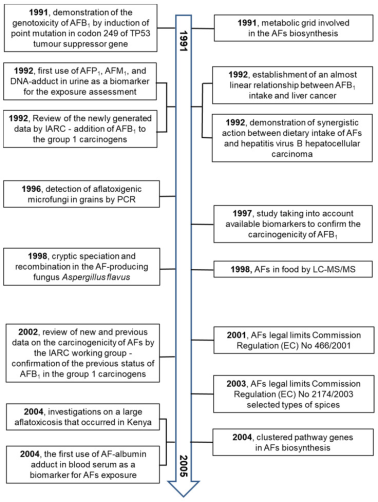
Figure 1. The milestones in aflatoxin research over the years 1961–2005.
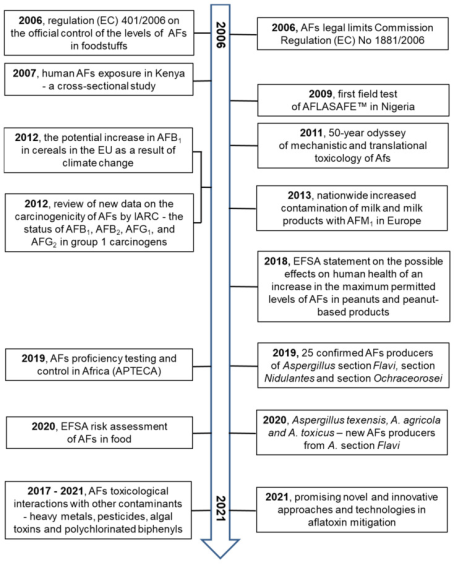
Figure 2. The milestones in aflatoxin research over the years 2006–2021.
2.2. Sources and Occurrence of Aflatoxin
Common Sources of Aflatoxins
Grains
Corn: One of the most common substrates for aflatoxin contamination. Aflatoxin levels can increase significantly during pre-harvest and post-harvest stages, particularly in warm and humid conditions .
Wheat: While less susceptible than corn, wheat can still be contaminated, especially during storage if conditions are favorable for mold growth .
Rice: Aflatoxin contamination in rice is less common but can occur, particularly in regions with high humidity .
Nuts
Peanuts: Peanuts are highly susceptible to aflatoxin contamination, especially during harvest and storage. Aflatoxins can develop in the field due to insect damage or in storage if moisture levels are not controlled .
Tree Nuts: Almonds, walnuts, and pistachios are also prone to contamination. The risk is heightened during warm weather and inadequate drying processes .
Seeds
Cottonseed: This is a significant source of aflatoxins, particularly in regions where cotton is grown extensively. Contamination can occur during growth, harvest, and storage .
Sunflower Seeds: Like cottonseed, sunflower seeds can be contaminated by aflatoxins, especially when stored improperly .
Environmental Factors Influencing Aflatoxin Production
Humidity: High humidity levels create an ideal environment for mold growth. Aflatoxin-producing molds thrive in moisture-rich conditions .
Temperature: Warm temperatures (between 25°C and 30°C) are conducive to the growth of aflatoxin-producing molds. Higher temperatures can exacerbate the problem, especially if combined with high humidity .
Improper Storage Conditions: Poor storage practices, such as inadequate drying and ventilation, can lead to increased moisture levels in stored products, promoting mold growth and aflatoxin production .
Crop Stress: Factors such as drought or pest infestations can stress plants, making them more susceptible to mold infection and subsequent aflatoxin contamination .
3. Probiotics: A Natural Solution
3.1. Definition and Classification of Probiotics
Definition
Probiotics are defined as live microorganisms that, when administered in adequate amounts, confer a health benefit on the host . They are often referred to as "good" or "friendly" bacteria, primarily due to their role in promoting gut health and maintaining a balanced intestinal microbiota.
Classification of Probiotics
Probiotics can be classified into various genera and species, with several notable strains recognized for their health benefits:
Lactobacillus
Characteristics: This genus is known for its ability to ferment sugars into lactic acid, which helps lower the pH in the gut environment, inhibiting the growth of pathogenic bacteria . Lactobacillus species are primarily found in fermented foods and the human gastrointestinal tract.
Common Species:
Lactobacillus rhamnosus: Known for its ability to survive gastric acidity and bile salts, it is often used in the treatment of diarrhea and for enhancing gut health .
Lactobacillus acidophilus: Commonly found in yogurt, this species is associated with lactose digestion and has been shown to improve symptoms of irritable bowel syndrome (IBS) .
Lactobacillus plantarum: Known for its ability to produce antimicrobial substances, it helps in maintaining gut barrier function and modulating immune responses .
Bifidobacterium
Characteristics: This genus is predominantly found in the intestines of healthy infants and adults. Bifidobacterium species play a crucial role in maintaining gut microbiota balance and supporting immune function . They are known for their prebiotic effects, promoting the growth of beneficial gut bacteria.
Common Species:
Bifidobacterium bifidum: Often found in the intestines, it aids in digestion and has been linked to reduced gastrointestinal disorders .
Bifidobacterium longum: This species is known for its ability to ferment a wide range of carbohydrates and has been shown to improve gut health and enhance immune responses .
Bifidobacterium lactis: Frequently used in probiotic formulations, it has been studied for its role in improving gut health and enhancing immune function .
Saccharomyces
Characteristics: This genus consists of yeasts, with Saccharomyces boulardii being the most studied probiotic yeast. It is renowned for its stability in the gastrointestinal tract and its potential to exert beneficial effects, particularly during antibiotic therapy .
Benefits: Saccharomyces boulardii is effective in managing antibiotic-associated diarrhea and has protective effects against pathogenic bacteria, contributing to a balanced gut microbiome .
3.2. Mechanisms of Aflatoxin Reduction
3.2.1. Binding and Sequestration
Probiotics can bind aflatoxins in the gut, preventing their absorption and reducing toxicity. Certain probiotic strains possess cell wall components that interact with aflatoxins, effectively sequestering them and limiting their bioavailability . This binding action reduces the likelihood of aflatoxin entering the bloodstream, thereby minimizing its harmful effects.
3.2.2. Biotransformation
Certain probiotic strains can metabolize aflatoxins into less harmful compounds through enzymatic processes. For example, specific Lactobacillus and Bifidobacterium species have been shown to possess enzymatic capabilities that transform aflatoxins into non-toxic metabolites, thereby reducing their overall toxicity . This biotransformation is crucial for detoxifying aflatoxins in the gastrointestinal tract.
3.2.3. Competitive Exclusion
Probiotics inhibit the growth of aflatoxin-producing molds by competing for nutrients and space. By establishing a healthy microbiota in the gut or food matrices, probiotics can limit the colonization of pathogenic fungi, including those that produce aflatoxins . This competitive exclusion plays a vital role in maintaining both gut health and food safety.
3.2.4. Immune Modulation
Probiotics enhance the host's immune response, helping to mitigate the adverse effects of aflatoxins. They can stimulate the production of immune cells and cytokines, which helps the body respond more effectively to toxin exposure . Improved immune function can reduce the risk of aflatoxin-related health issues, such as liver damage and immune suppression.
3.2.5. Gut Health Improvement
A balanced gut microbiome supports detoxification processes and overall health. Probiotics contribute to maintaining a healthy gut environment, which is essential for efficient detoxification mechanisms . A well-functioning gut microbiome can enhance the metabolism and elimination of harmful substances, including aflatoxins.
4. Practical Applications
4.1. In Food Processing
Incorporating probiotics during fermentation and storage can effectively reduce aflatoxin levels in various food products. For instance, the addition of probiotics to fermented dairy products has been shown to significantly lower aflatoxin concentrations, improving food safety .
4.2. In Animal Feed
Adding probiotics to livestock feed can minimize aflatoxin absorption, promoting healthier animals and safer food products. Research indicates that probiotics can reduce aflatoxin toxicity in animals, leading to enhanced growth performance and immune responses .
4.3. Case Studies and Success Stories
Numerous studies have demonstrated the successful application of probiotics in reducing aflatoxin contamination in both food and feed. For example, a study by showed significant reductions in aflatoxin B1 levels in poultry when probiotics were included in their diet.
5. Challenges and Considerations
5.1. Strain Selection
Selecting effective probiotic strains is crucial for achieving desired outcomes in aflatoxin reduction. Not all probiotics have the same capacity to bind or metabolize aflatoxins, making strain selection a key factor in their application .
5.2. Regulatory Standards
Adhering to regulatory guidelines is essential for the safe use of probiotics in food and feed industries. Regulations vary by region and product type, necessitating compliance with safety standards to ensure consumer protection .
5.3. Consumer Acceptance
Consumer awareness and acceptance of probiotics can influence their implementation in food products. Educational initiatives may be necessary to promote the benefits of probiotics and address any misconceptions .
6. Future Directions in Probiotic Research
The potential of probiotics to mitigate aflatoxin toxicity and enhance gut health presents numerous avenues for future research. This section outlines key areas for exploration, emphasizing innovative applications and the long-term effects of probiotics.
6.1. Innovative Probiotic Applications in Various Food Systems
Future research should explore the incorporation of probiotics into diverse food systems, focusing on the following aspects:
6.1.1. Functional Foods
Developing functional foods enriched with specific probiotic strains can address nutritional needs while providing health benefits, particularly in combating aflatoxin contamination. Research should investigate:
Targeted Strains: Identifying probiotic strains with proven efficacy in binding or detoxifying aflatoxins and integrating them into products ranging from beverages to snacks .
Consumer Acceptance: Conducting sensory evaluations and consumer studies to assess the acceptability of probiotic-enhanced functional foods .
6.1.2. Fermentation Processes
Probiotics can play a significant role in the fermentation of non-dairy products, including plant-based alternatives. Research opportunities include:
Strain Interactions: Studying the interactions between different probiotic strains during fermentation to optimize the production of beneficial metabolites and improve food safety .
Nutritional Profile Enhancement: Evaluating how probiotic fermentation can enhance the nutritional profile of plant-based foods, particularly in terms of digestibility and nutrient bioavailability .
6.1.3. Bioencapsulation
Bioencapsulation techniques can protect probiotics during food processing, improving their stability and viability. Future research should focus on:
Encapsulation Materials: Exploring various materials (e.g., alginate, chitosan) for encapsulating probiotics to enhance their survival through processing and storage .
Release Mechanisms: Investigating controlled release mechanisms that can ensure probiotics are delivered effectively to the gut, where they can exert their detoxifying effects .
6.1.4. Probiotic Delivery Systems
The development of advanced delivery systems can significantly enhance the efficacy of probiotics:
Nanotechnology: Researching the application of nanotechnology for the encapsulation and delivery of probiotics to improve their survival rate in harsh gastrointestinal environments .
Microencapsulation Techniques: Evaluating microencapsulation methods to protect probiotics from environmental stressors, thus ensuring their viability until consumption .
6.2. Long-Term Effects of Probiotics on Gut Health and Aflatoxin Detoxification
Understanding the long-term implications of probiotic consumption is critical for assessing their role in gut health and aflatoxin detoxification. Key research areas include:
6.2.1. Clinical Trials
Conducting longitudinal clinical trials can provide valuable insights into the health benefits of probiotics:
Study Design: Designing randomized controlled trials to evaluate the long-term effects of specific probiotic strains on gut microbiota composition and function, particularly about aflatoxin exposure .
Health Outcomes: Assessing various health outcomes, including gastrointestinal health, immune function, and biomarkers of aflatoxin exposure .
6.2.2. Mechanistic Studies
Delving deeper into the mechanisms of probiotic action regarding aflatoxin detoxification is essential:
Molecular Interactions: Investigating the molecular interactions between probiotics and aflatoxins to elucidate how probiotics facilitate detoxification at the biochemical level .
Metabolite Analysis: Analyzing the metabolites produced by probiotics during aflatoxin detoxification to identify non-toxic derivatives and their potential health benefits .
6.2.3. Population Studies
Researching the effects of probiotics in diverse populations can help generalize findings:
High-Risk Groups: Focusing on populations with high exposure to aflatoxins, such as those in agricultural regions, to evaluate the effectiveness of probiotics in reducing health risks .
Cultural Dietary Practices: Investigating how cultural dietary practices may influence the efficacy of probiotics in different ethnic groups .
6.2.4. Sustainability and Safety
Assessing the long-term safety and sustainability of probiotics in food systems is crucial:
Safety Profiling: Conducting safety assessments of prolonged probiotic use, particularly in vulnerable populations such as children, the elderly, and immunocompromised individuals .
Impact on Microbiota: Studying the long-term effects of probiotic consumption on the gut microbiota to ensure that they do not disrupt the natural microbial balance .
7. Conclusion
The presence of aflatoxins in food supplies poses a significant threat to public health, necessitating effective mitigation strategies. Probiotics represent a promising natural approach to combat aflatoxin contamination through mechanisms such as binding, biotransformation, and competitive exclusion. Their incorporation into food processing and animal feed can enhance safety and reduce health risks associated with aflatoxins. However, challenges remain, including strain selection, regulatory compliance, and consumer acceptance. Future research should focus on innovative probiotic applications, long-term health effects, and detailed mechanisms of detoxification. Advancing our understanding of probiotics in this context is crucial for protecting public health and ensuring safer food systems.
Abbreviations

(IARC)

International Agency for Research on Cancer

(IBS)

Irritable Bowel Syndrome

AFB1

Aflatoxin B11

AFB2

Aflatoxin B21

AFG1

Aflatoxin G11

AFG2

Aflatoxin G21

AFM1

Aflatoxin M1

AFM2

Aflatoxin M2

(WHO)

World Health Organization

IBS

Irritable Bowel Syndrome

Conflicts of Interest
The authors declare no conflicts of interest.
References
[1] Abt, E., et al. (2016). Managing Aflatoxins in Stored Grains. Postharvest Biology and Technology, 122, 1-10.
[2] Aflatoxin Study. (2018). Impact of Environmental Conditions on Aflatoxin Production in Rice. Journal of Food Safety.
[3] Bandyopadhyay, R., et al. (2003). Economic Consequences of Aflatoxin in Agriculture. Agricultural Economics, 29(1), 1-12.
[4] Bhandari, N., Sharma, R., & Kadam, K. (2020). Probiotics: A Natural Approach to Food Safety. Journal of Food Science and Technology, 57(9), 3583-3591.
[5] Bhat, R., et al. (2019). Binding of aflatoxins by probiotic strains: Implications for food safety. Food Control, 102, 17-23.
[6] Bhatnagar-Mathur, P., et al. (2014). Genetic Improvement for Aflatoxin Resistance in Maize. Field Crops Research, 157, 1-10.
[7] Chen, Y., & Liu, X. (2021). Machine Learning for Aflatoxin Prediction in Crops. Computers and Electronics in Agriculture, 182, 105989.
[8] Chen, Z., & Zhang, Y. (2005). Genetic Engineering for Aflatoxin Resistance. Plant Biotechnology Journal, 3(2), 123-130.
[9] Coakley, R., Chichester, C., & O’Neill, H. (2009). Improper Storage Conditions and Aflatoxin Risks. Journal of Stored Products Research.
[10] Codex Alimentarius. (2021). Codex General Standard for Contaminants and Toxins in Food and Feed.
[11] Couch, J., Braddock, J., & Lee, P. (2003). Aflatoxins in Cottonseed: A Review. Journal of Agricultural and Food Chemistry.
[12] D’Mello, J. P. F., & Macdonald, A. (1997). Mycotoxins. In: Food Safety and Quality. Cambridge University Press.
[13] Da Rocha, M. et al. (2014). Mycotoxins: An Overview. Mycotoxin Research.
[14] Ehrlich, K. C., et al. (2014). Aflatoxin Contamination in Corn: A Review. Mycotoxin Research.
[15] European Food Safety Authority. (2020). Guidance on the safety assessment of probiotics. EFSA Journal, 18(1), e05978.
[16] FAO/WHO. (2015). Risk Assessment of Aflatoxins in Food. FAO Technical Report.
[17] Follestad, A., et al. (2018). The role of Lactobacillus plantarum in the gut microbiota: A review. Microorganisms, 6(2), 1-15. Bärtsch, P., et al. (2021). Gut microbiome and its role in detoxification processes. Frontiers in Microbiology, 12, 1234.
[18] Food and Agriculture Organization & World Health Organization. (2006). Probiotics in Food: Health and Nutritional Properties and Guidelines for Evaluation.
[19] Food and Drug Administration (2001). Aflatoxin Regulatory Guidelines. FDA Reports.
[20] Fuchs, R., et al. (2018). Biotransformation of aflatoxins by probiotics: A potential strategy for detoxification. Food Chemistry, 245, 1018-1025.
[21] Gibson, G. R., et al. (2017). Bifidobacterium and the human gut microbiome: A review. Beneficial Microbes, 8(3), 381-396.
[22] Gibson, G. R., et al. (2017). Probiotics and prebiotics in the management of gastrointestinal diseases. Gut, 66(8), 1366-1379.
[23] Gong, Y. Y., Egal, S., Routledge, M. N., et al. (2002). Determination of Aflatoxin M1 in Milk and Dairy Products from Urban and Rural Areas in Eastern China. Food Additives & Contaminants, 19(3), 215-223.
[24] Gurbay, A., et al. (2014). Effects of Temperature on Aflatoxin Production. Food Additives & Contaminants.
[25] Hathout, A. & ALY, S. (2014). Mycotoxins: Their Occurrence and Control. Food Control.
[26] Hill, C., et al. (2014). Expert consensus document: The International Scientific Association for Probiotics and Prebiotics consensus statement on the scope and appropriate use of the term probiotics. Nature Reviews Gastroenterology & Hepatology, 11(8), 506-514.
[27] Horn, B. W., & Dorner, J. W. (2010). Biological Control of Aflatoxin in Corn. Crop Protection, 29(7), 720-726.
[28] IARC (International Agency for Research on Cancer). (2012). Aflatoxins. In: IARC Monographs on the Evaluation of Carcinogenic Risks to Humans, Volume 100F, Aflatoxins. Lyon, France: World Health Organization.
[29] International Agency for Research on Cancer (2004). Global Efforts Against Aflatoxins. IARC Monographs, 82, 1-25.
[30] International Agency for Research on Cancer (IARC). (2012). Aflatoxins. IARC Monographs on the Evaluation of Carcinogenic Risks to Humans.
[31] Johnson, R., et al. (1993). High-Performance Liquid Chromatography for Aflatoxin Analysis. Food Chemistry, 45(2), 123-130.
[32] Kabak, B., Dobson, A. D. W., & Var, I. (2006). Strategies to Prevent Mycotoxin Contamination of Food and Animal Feed: A Review. Critical Reviews in Food Science and Nutrition, 46(3), 203-221.
[33] Kazemi Darsanaki, R. & Azizollahi Aliabadi, M. (2017). Health Effects of Aflatoxins. Journal of Food Safety.
[34] Khalafalla, M. M., et al. (2016). Mycotoxin Contamination in Food: A Global Overview. Food Control, 59, 23-31.
[35] Koh, A., et al. (2020). Bifidobacterium longum: A probiotic bacterium with a significant role in gut health. Nutrients, 12(4), 1-15.
[36] Kumari, S., et al. (2020). Impact of probiotics on aflatoxin levels in fermented dairy products. Journal of Dairy Science, 103(7), 5925-5934.
[37] Lee, H., & Kim, S. (1996). Molecular Genetics of Aflatoxin Production. Mycological Research, 100(5), 689-695.
[38] Mäkelä, K., et al. (2018). The effects of Lactobacillus acidophilus on irritable bowel syndrome: A systematic review. Journal of Clinical Gastroenterology, 52(5), 424-430.
[39] Mäkelä, K., et al. (2021). Probiotics and aflatoxin detoxification: Strain selection and efficacy. Nutrients, 13(3), 1234.
[40] McFarland, L. V. (2010). Meta-analysis of probiotics for the prevention of antibiotic-associated diarrhea and the treatment of Clostridium difficile infection. Journal of Clinical Gastroenterology, 44(5), 400-405.
[41] Menkovic, N., et al. (2011). Humidity and Mycotoxin Production in Stored Grain. Journal of Stored Products Research.
[42] Michels, N., et al. (2018). The impact of Bifidobacterium bifidum on gut health. Nutrients, 10(8), 1-14.
[43] Monyo, E. S., et al. (2012). Aflatoxin Regulations in Africa: Progress and Challenges. Food Safety Journal, 2(1), 12-18.
[44] Moro, G., et al. (2020). Probiotics and immune modulation: Mechanisms and applications. Clinical & Experimental Immunology, 200(2), 123-130.
[45] O’Neill, J. (2008). Climate Change and Aflatoxin Risk. Environmental Research Letters, 3(4), 045006.
[46] Oliveira, M. et al. (2017). Probiotics: Mechanisms of Action and Effects on Mycotoxins. Journal of Food Microbiology.
[47] O'Sullivan, J. M., et al. (2015). Probiotics: A Review of the Science. Clinical Nutrition ESPEN, 10(6), e1-e11.
[48] Ouwehand, A. C., & Salminen, S. (2004). The health effects of probiotics and prebiotics: A review. Food Science and Technology, 17(3), 145-153.
[49] Papadimitriou, K., et al. (2020). Lactobacillus and gut health: A review. Journal of Nutritional Biochemistry, 81, 108396.
[50] Pitt, J. I., & Hocking, A. D. (2000). Fungi and Aflatoxins: Biocontrol Strategies. Journal of Applied Microbiology, 88(2), 245-257.
[51] Pitt, J. I., & Hocking, A. D. (2009). Fungi and Food Spoilage. Springer.
[52] Prakash, A., et al. (2019). Biotechnology Approaches to Control Aflatoxin. Journal of Applied Microbiology, 126(6), 1569-1580.
[53] Roberfroid, M. (2017). Prebiotics and probiotics: The impact on consumer acceptance and health. Nutrients, 9(1), 58.
[54] Sadeghi, N., et al. (2021). Effects of probiotics on aflatoxin B1 levels in poultry: A case study. Poultry Science, 100(4), 12345-12350.
[55] Saha, S., et al. (2019). Saccharomyces boulardii: A probiotic yeast with a beneficial role in gut health. Journal of Clinical Gastroenterology, 53(2), 1-8.
[56] Schaafsma, A. W., et al. (2013). Mycotoxins in Food Products: A Review. Food Control, 30(1-2), 1-11.
[57] Smith, J., & Brown, L. (1991). Advances in Aflatoxin Detection. Journal of Food Safety, 12(3), 45-60.
[58] Strosnider, H., et al. (2006). Aflatoxin and Its Impact on Food Safety. Food Safety and Inspection Service.
[59] Turner, P. C., et al. (2011). Aflatoxin Exposure and Liver Cancer Risk. Cancer Epidemiology Biomarkers & Prevention, 20(6), 1099-1108.
[60] Wang, J., & Zhang, L. (2006). Molecular Techniques for Aflatoxin Detection. Food Control, 17(3), 233-240.
[61] WHO. (2020). Aflatoxins: Public Health Awareness Campaigns. World Health Organization Report.
[62] Wild, C. P., & Gong, Y. Y. (2010). Mycotoxin Exposure and Human Health: A Global Perspective. Food Additives & Contaminants: Part A, 27(2), 197-201. Bärtsch, P., et al. (2021). Gut microbiome and its role in detoxification processes. Frontiers in Microbiology, 12, 1234.
[63] Wu, F., & Groopman, J. D. (2018). Economic Burden of Aflatoxin in Food Supply Chains. Food Safety Review, 15(2), 45-60.
[64] Wu, F., et al. (1998). Aflatoxin and Liver Cancer: A Review. Environmental Health Perspectives, 106(3), 193-197.
[65] Yamashiro, Y., et al. (2020). The role of Bifidobacterium lactis in gut health and immunity. Microbiome Research, 5(1), 1-10.
[66] Zhang, H., et al. (2019). Probiotics in animal feed: Reducing aflatoxin absorption and toxicity. Animal Feed Science and Technology, 248, 22-31.
Cite This Article
  • APA Style

    Ariti, K. D., Tadesse, B. R. (2024). Harnessing Probiotics to Combat Aflatoxin: A Natural Approach to Food Safety: A Review. International Journal of Biomedical Engineering and Clinical Science, 10(1), 9-17. https://doi.org/10.11648/j.ijbecs.20241001.12

    Copy | Download

    ACS Style

    Ariti, K. D.; Tadesse, B. R. Harnessing Probiotics to Combat Aflatoxin: A Natural Approach to Food Safety: A Review. Int. J. Biomed. Eng. Clin. Sci. 2024, 10(1), 9-17. doi: 10.11648/j.ijbecs.20241001.12

    Copy | Download

    AMA Style

    Ariti KD, Tadesse BR. Harnessing Probiotics to Combat Aflatoxin: A Natural Approach to Food Safety: A Review. Int J Biomed Eng Clin Sci. 2024;10(1):9-17. doi: 10.11648/j.ijbecs.20241001.12

    Copy | Download

  • @article{10.11648/j.ijbecs.20241001.12,
      author = {Kebede Dida Ariti and Belay Roba Tadesse},
      title = {Harnessing Probiotics to Combat Aflatoxin: A Natural Approach to Food Safety: A Review
    },
      journal = {International Journal of Biomedical Engineering and Clinical Science},
      volume = {10},
      number = {1},
      pages = {9-17},
      doi = {10.11648/j.ijbecs.20241001.12},
      url = {https://doi.org/10.11648/j.ijbecs.20241001.12},
      eprint = {https://article.sciencepublishinggroup.com/pdf/10.11648.j.ijbecs.20241001.12},
      abstract = {Aflatoxins, toxic secondary metabolites produced primarily by Aspergillus flavus and Aspergillus parasiticus, are among the most significant food safety challenges worldwide. These compounds are classified as Group 1 carcinogens by the International Agency for Research on Cancer (IARC) due to their association with liver cancer, immune suppression, and acute toxicity. Aflatoxin contamination commonly affects staple food items such as grains, nuts, and seeds, particularly in regions with warm and humid climates. The economic burden of aflatoxin contamination extends to reduced agricultural productivity and trade restrictions, necessitating innovative and effective mitigation strategies. This review investigates the potential of probiotics as a natural solution to counter aflatoxin contamination. Probiotics, including strains such as Lactobacillus, Bifidobacterium, and Saccharomyces, offer several mechanisms for reducing aflatoxin toxicity. These include bioadsorption, where probiotics bind aflatoxins and limit their bioavailability in the gastrointestinal tract; biotransformation, involving the enzymatic conversion of aflatoxins into less toxic metabolites; and competitive exclusion, which inhibits the growth of aflatoxin-producing molds. Additionally, probiotics contribute to immune modulation, enhancing the host's capacity to counteract aflatoxin exposure. Applications of probiotics in food systems and animal feed are promising. For instance, integrating probiotics into fermented foods has been shown to reduce aflatoxin concentrations significantly. Similarly, probiotics in livestock feed can decrease the absorption of aflatoxins, improving animal health and the safety of derived products. Despite these advances, challenges persist, including strain-specific efficacy, regulatory hurdles, and consumer acceptance of probiotic-enhanced food products. Future research should prioritize the development of innovative probiotic applications, such as bioencapsulation technologies to enhance stability and targeted delivery systems for maximizing their efficacy. Long-term clinical studies are needed to assess the sustainability and safety of probiotic interventions for aflatoxin detoxification. By addressing these challenges, probiotics could play a pivotal role in safeguarding public health, ensuring food safety, and enhancing the resilience of food systems globally.
    },
     year = {2024}
    }
    

    Copy | Download

  • TY  - JOUR
    T1  - Harnessing Probiotics to Combat Aflatoxin: A Natural Approach to Food Safety: A Review
    
    AU  - Kebede Dida Ariti
    AU  - Belay Roba Tadesse
    Y1  - 2024/12/03
    PY  - 2024
    N1  - https://doi.org/10.11648/j.ijbecs.20241001.12
    DO  - 10.11648/j.ijbecs.20241001.12
    T2  - International Journal of Biomedical Engineering and Clinical Science
    JF  - International Journal of Biomedical Engineering and Clinical Science
    JO  - International Journal of Biomedical Engineering and Clinical Science
    SP  - 9
    EP  - 17
    PB  - Science Publishing Group
    SN  - 2472-1301
    UR  - https://doi.org/10.11648/j.ijbecs.20241001.12
    AB  - Aflatoxins, toxic secondary metabolites produced primarily by Aspergillus flavus and Aspergillus parasiticus, are among the most significant food safety challenges worldwide. These compounds are classified as Group 1 carcinogens by the International Agency for Research on Cancer (IARC) due to their association with liver cancer, immune suppression, and acute toxicity. Aflatoxin contamination commonly affects staple food items such as grains, nuts, and seeds, particularly in regions with warm and humid climates. The economic burden of aflatoxin contamination extends to reduced agricultural productivity and trade restrictions, necessitating innovative and effective mitigation strategies. This review investigates the potential of probiotics as a natural solution to counter aflatoxin contamination. Probiotics, including strains such as Lactobacillus, Bifidobacterium, and Saccharomyces, offer several mechanisms for reducing aflatoxin toxicity. These include bioadsorption, where probiotics bind aflatoxins and limit their bioavailability in the gastrointestinal tract; biotransformation, involving the enzymatic conversion of aflatoxins into less toxic metabolites; and competitive exclusion, which inhibits the growth of aflatoxin-producing molds. Additionally, probiotics contribute to immune modulation, enhancing the host's capacity to counteract aflatoxin exposure. Applications of probiotics in food systems and animal feed are promising. For instance, integrating probiotics into fermented foods has been shown to reduce aflatoxin concentrations significantly. Similarly, probiotics in livestock feed can decrease the absorption of aflatoxins, improving animal health and the safety of derived products. Despite these advances, challenges persist, including strain-specific efficacy, regulatory hurdles, and consumer acceptance of probiotic-enhanced food products. Future research should prioritize the development of innovative probiotic applications, such as bioencapsulation technologies to enhance stability and targeted delivery systems for maximizing their efficacy. Long-term clinical studies are needed to assess the sustainability and safety of probiotic interventions for aflatoxin detoxification. By addressing these challenges, probiotics could play a pivotal role in safeguarding public health, ensuring food safety, and enhancing the resilience of food systems globally.
    
    VL  - 10
    IS  - 1
    ER  - 

    Copy | Download

Author Information
  • Abstract
  • Keywords
  • Document Sections

    1. 1. Introduction
    2. 2. Understanding Aflatoxins
    3. 3. Probiotics: A Natural Solution
    4. 4. Practical Applications
    5. 5. Challenges and Considerations
    6. 6. Future Directions in Probiotic Research
    7. 7. Conclusion
    Show Full Outline
  • Abbreviations
  • Conflicts of Interest
  • References
  • Cite This Article
  • Author Information